Anúncios
Video editing apps have transformed how we create and share content, putting professional-grade tools right in our pockets for quick, creative editing on the go.
Whether you’re a content creator building your social media presence, a small business owner crafting marketing materials, or someone who simply wants to polish personal videos, the right editing app can make all the difference. Gone are the days when you needed expensive desktop software and hours of training to produce eye-catching videos.
Anúncios
Modern mobile video editors pack surprising power, offering features like multi-track timelines, color grading, transitions, effects, and even AI-powered tools that automate tedious tasks. The best part? Many of these capabilities are available for free or at a fraction of the cost of traditional editing suites.
🎬 Why Mobile Video Editing Has Become Essential
The shift toward mobile-first content creation isn’t just a trend—it’s a fundamental change in how we communicate. Platforms like Instagram, TikTok, YouTube Shorts, and Facebook prioritize video content, and algorithms reward creators who post consistently and quickly.
Anúncios


Smartphone cameras now rival professional equipment in many scenarios, shooting in 4K resolution and offering stabilization that would have required specialized gear just years ago. This hardware evolution has made the phone-to-post workflow not just convenient but genuinely viable for professional work.
Speed matters tremendously in today’s content landscape. Being able to capture, edit, and publish within minutes—while an idea is fresh or a moment is still relevant—gives creators a competitive edge. Desktop editing, with its file transfers and rendering times, simply can’t match this agility.
The Learning Curve Advantage
Mobile video editing apps typically feature intuitive touch interfaces designed for users of all skill levels. Instead of memorizing keyboard shortcuts and navigating complex menu systems, you can pinch to zoom, swipe to trim, and tap to apply effects.
Most apps include tutorial videos, templates, and preset styles that help beginners achieve professional-looking results immediately. As your skills grow, you can access more advanced features without switching to entirely different software.
📱 Core Features to Look For
Not all video editing apps are created equal. Understanding which features matter most for your specific needs will help you choose the right tool without getting overwhelmed by options or paying for capabilities you won’t use.
Timeline and Layering Capabilities
A multi-layer timeline is the backbone of sophisticated editing. This feature allows you to stack video clips, images, text overlays, and audio tracks independently, giving you precise control over when each element appears and disappears.
Look for apps that support at least three to five layers simultaneously. This enables you to add background music, voiceovers, B-roll footage, lower-third graphics, and watermarks all in a single project without flattening your work prematurely.
Trimming and Cutting Tools
The ability to trim clips precisely is fundamental. Quality apps offer frame-by-frame scrubbing, allowing you to identify the exact moment you want a cut. Some include split and delete functions that make removing unwanted sections quick and painless.
Advanced apps provide ripple editing, which automatically closes gaps when you delete a section, keeping your timeline tight without manual adjustments. This small feature can save hours on longer projects.
Text and Titles
Text overlays have become central to video storytelling, especially for social media content where many viewers watch without sound. The best apps offer:
- Multiple font choices with custom color and sizing options
- Animation presets for text entrances and exits
- Stroke and shadow effects for readability over varied backgrounds
- Text tracking that follows moving objects in your footage
- Pre-designed title templates for common use cases
Transitions and Effects
While jump cuts work perfectly for many styles, transitions can smooth scene changes and add polish. Standard options include fades, dissolves, wipes, and slides. More creative apps offer glitch effects, light leaks, and cinematic transitions.
Use transitions sparingly—too many become distracting. A good rule: transitions should be invisible servants to your story, not the main attraction.
Audio Control
Sound quality often matters more than video quality for viewer retention. Essential audio features include:
- Volume adjustment for individual clips
- Audio fade in/out at clip boundaries
- Background music libraries with royalty-free tracks
- Voiceover recording directly in the app
- Noise reduction and equalization tools
- Audio ducking that automatically lowers music when you speak
🌟 Popular Video Editing Apps Compared
Different apps excel in different areas. Here’s how major players stack up for specific use cases:
| App | Best For | Standout Feature | Price Model |
|---|---|---|---|
| InShot | Social media creators | Easy aspect ratio switching | Free with ads; one-time unlock |
| CapCut | TikTok content | Trending effects library | Completely free |
| Adobe Premiere Rush | Multi-platform editing | Desktop sync | Subscription required |
| LumaFusion | Professional mobile editing | Six video/audio tracks | One-time purchase |
| KineMaster | Layer-heavy projects | Chroma key support | Subscription or lifetime |
InShot: The All-Rounder for Quick Edits
InShot has earned its popularity by balancing power with simplicity. Its interface feels immediately familiar, with drag-and-drop clip arrangement and clearly labeled tools. The app handles vertical, square, and horizontal formats seamlessly, making it perfect for creators who publish across multiple platforms.
The sticker and filter libraries receive regular updates, keeping your content fresh without needing third-party resources. While the free version includes watermarks and ads, the one-time purchase to unlock all features represents excellent value compared to subscription models.

CapCut: ByteDance’s Free Powerhouse
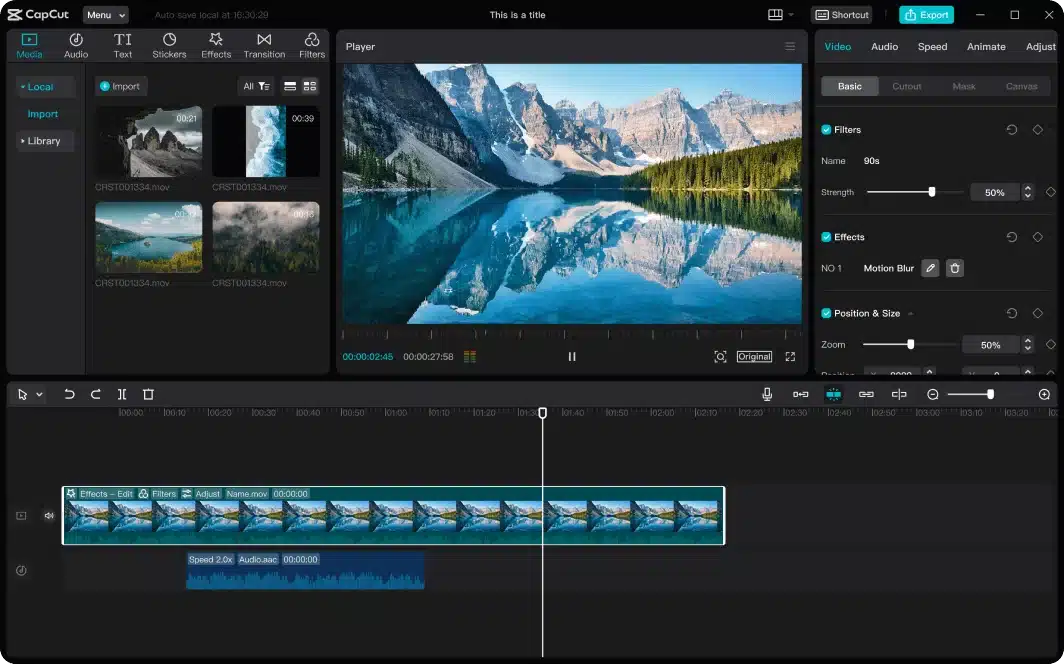
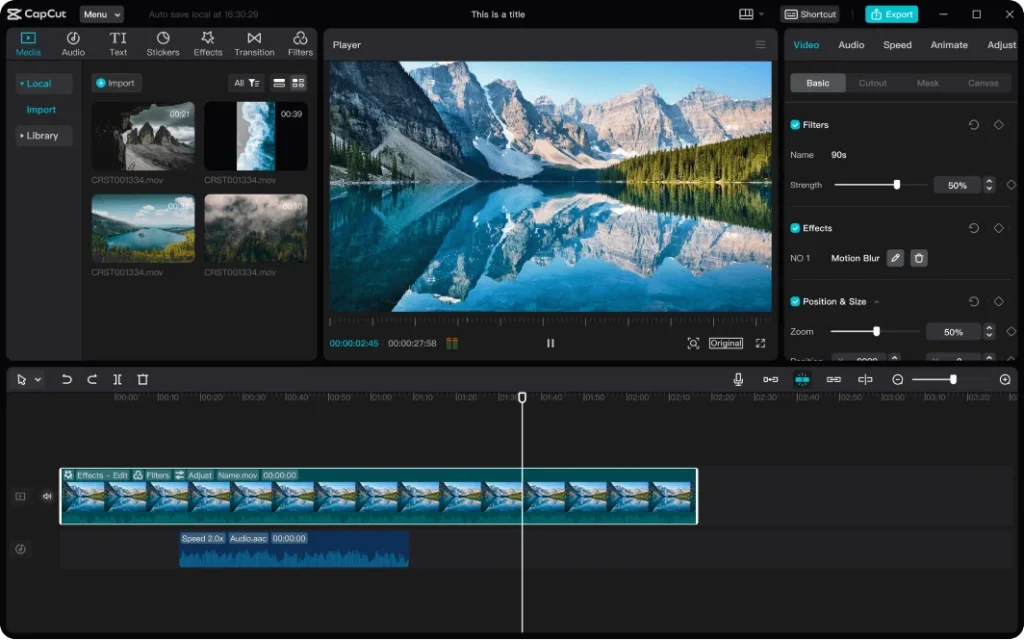
Owned by TikTok’s parent company, CapCut offers an impressive feature set with zero cost and no watermarks. The app includes trending effects that appear on TikTok, giving creators a direct pipeline to viral aesthetics.
Auto-captions have become one of CapCut’s most beloved features, using speech recognition to generate subtitle overlays automatically. While not perfect, the accuracy is impressive and saves enormous amounts of time compared to manual captioning.
Adobe Premiere Rush: Cross-Platform Continuity
For creators already in the Adobe ecosystem, Premiere Rush offers seamless synchronization between mobile and desktop editing. Start a project on your phone during your commute, then refine it on your computer at home.
The app includes access to Adobe Stock audio and motion graphics templates from your Creative Cloud subscription. The interface will feel familiar to anyone who’s used other Adobe products, though this also means a slightly steeper learning curve than simpler alternatives.
🎨 Advanced Techniques Worth Learning
Once you’ve mastered the basics, these intermediate techniques will elevate your content significantly:
Color Grading for Mood and Consistency
Color grading goes beyond simple filters, allowing you to adjust highlights, shadows, saturation, and temperature individually. Consistent color grading across your videos creates a recognizable brand aesthetic.
Start with subtle adjustments—increase warmth slightly for inviting vlogs, or add coolness and reduce saturation for a cinematic look. Save your favorite combinations as custom presets to apply across multiple projects.
Speed Ramping for Dynamic Storytelling
Speed ramping means changing playback speed within a single clip, creating smooth slow-motion or time-lapse effects that emphasize specific moments. This technique works beautifully for sports footage, cooking videos, or any content where timing creates impact.
Many apps include curve-based speed controls, letting you ease into and out of speed changes rather than using jarring instant transitions.
Keyframe Animation
Keyframing allows you to animate virtually any parameter—position, scale, rotation, opacity—over time. This creates professional-looking movements like:
- Pan-and-zoom effects on still photos (the Ken Burns effect)
- Lower thirds that slide in from off-screen
- Picture-in-picture windows that grow and shrink
- Custom transitions between clips
Set a starting keyframe with your desired values, move forward in the timeline, then set an ending keyframe with different values. The app automatically interpolates the movement between them.
Audio Synchronization Tricks
Many creators shoot video on their phones while recording higher-quality audio on separate devices. Syncing these tracks manually used to be tedious, but many modern apps include automatic audio sync that matches waveforms.
Even without this feature, you can create a sharp sound (like a clap) visible in your video that creates a distinctive spike in both audio tracks, giving you a reference point for manual alignment.
⚡ Optimizing Performance and Export Quality
Nothing frustrates creators more than laggy editing or exports that look worse than the original footage. These strategies help maintain smooth performance:
Working with Proxy Files
High-resolution 4K footage can overwhelm even powerful phones. Some advanced apps create lower-resolution proxy files for editing, then automatically relink to the high-quality originals during export.
If your app doesn’t offer this automatically, consider reducing clip quality in camera settings for projects where you’re shooting and editing on the same device.
Export Settings That Matter
Understanding export settings prevents quality loss and ensures your videos play correctly on target platforms:
- Resolution: Match your source footage when possible; 1080p remains the sweet spot for most social platforms
- Frame rate: Keep the original frame rate unless creating slow motion; 24fps for cinematic, 30fps for standard, 60fps for smooth action
- Bitrate: Higher bitrates mean better quality but larger file sizes; 10-20 Mbps works well for 1080p
- Format: MP4 with H.264 encoding offers the best compatibility across platforms
Managing Storage Space
Video editing consumes storage quickly. Create a workflow that includes:
- Regular backups to cloud storage or external drives
- Deleting project files after finalizing exports
- Clearing app caches periodically
- Moving completed projects off your device to free space for new work
🚀 Building an Efficient Editing Workflow
Speed comes from systems, not just software. Developing consistent workflows dramatically reduces editing time:
Pre-Production Planning
Before you shoot, outline your video structure. Knowing which shots you need prevents capturing unnecessary footage that slows down both your device and your decision-making during editing.
Create shot lists for complex projects. This simple step can cut editing time in half by ensuring you have all necessary footage without wading through duplicate takes.
Organizing Your Media
Rename clips immediately after importing with descriptive names (like “intro_talking” or “broll_coffee_pour”) rather than default camera names. This small habit saves significant time when searching for specific clips in longer projects.
Many apps allow you to organize media into folders or bins. Group related clips together—all B-roll in one place, all interviews in another, all music tracks together.
Creating Reusable Templates
For recurring content types—weekly vlogs, product reviews, tutorial series—build templates with your standard intro, outro, lower thirds, and music already in place. Duplicate the template for each new episode and swap out the specific content.
This approach ensures visual consistency across your content while eliminating repetitive setup work.
📊 Platform-Specific Optimization
Each social platform has technical requirements and audience expectations that should influence your editing decisions:
Instagram: Vertical and Square Reign
Instagram Stories and Reels perform best in 9:16 vertical format, filling the entire mobile screen. Regular feed posts work well in square 1:1 format, maximizing screen real estate when users scroll.
Keep text large and centered in the safe zone (the middle 60% of the frame) to ensure it’s readable on all devices. The first three seconds determine whether viewers keep watching, so front-load your most compelling content.
YouTube: Horizontal for Watch Time
Traditional 16:9 horizontal format still dominates YouTube, though Shorts have introduced vertical content to the platform. Longer watch time signals quality to YouTube’s algorithm, so editing for retention—cutting dead space, maintaining pacing, using pattern interrupts—matters more than on other platforms.
Include custom thumbnails and end screens in your edit planning, even if you add them through YouTube’s interface later.
TikTok: Hook Within One Second
TikTok’s algorithm tests new videos with small audiences first, promoting those that hold attention. Your very first frame must stop the scroll—use text, motion, or striking visuals immediately.
Captions should appear near the bottom center, avoiding the area where TikTok places usernames and descriptions. Trending sounds often perform better than original audio, and CapCut’s integration makes finding and using these simple.
🔐 Copyright and Music Considerations
Music can make or break a video’s emotional impact, but using copyrighted tracks can get your content muted or removed:
Royalty-Free Music Libraries
Most editing apps include royalty-free music libraries safe for commercial use. While selection may seem limited compared to popular music, these tracks avoid copyright strikes.
External services like Epidemic Sound, Artlist, and YouTube’s Audio Library offer larger selections with simple licensing. The investment often pays off through uninterrupted monetization and peace of mind.
Understanding Fair Use (Spoiler: It’s Complicated)
Many creators misunderstand fair use, assuming short clips or commentary automatically protect them. Fair use is a legal defense evaluated case-by-case, not a blanket right.
For business or monetized content, license music properly rather than hoping fair use applies. The legal and reputational risks outweigh the cost of legitimate licensing.
💡 Staying Creative and Avoiding Burnout
The ease of mobile editing can lead to overproduction. These strategies help maintain creative energy:
Consume Widely, Create Specifically
Study editing techniques across different genres—documentaries, music videos, commercials, films. Notice how professionals use cuts, pacing, and effects to guide emotion and attention.
Apply these techniques to your niche rather than copying other creators in your space directly. This cross-pollination produces distinctive styles that stand out.
Embrace Imperfection
Perfectionism kills more creative projects than lack of skill. Set time limits for editing sessions to prevent endless tweaking. When you reach the point where changes make things different rather than better, you’re done.
Publish consistently rather than perfectly. Your tenth video will naturally surpass your first through practice, but only if you actually finish and share those early attempts.
🎯 Choosing Your Primary Editing App
With dozens of capable options available, the “best” app depends entirely on your specific situation. Consider these questions:
What’s your budget? Free apps with ads suit hobbyists, while professionals might justify subscriptions for advanced features. One-time purchases offer middle ground for serious amateurs.
Which platforms do you publish on? Apps optimized for your target platforms (like CapCut for TikTok) can streamline your workflow significantly.
What’s your technical comfort level? Beginners benefit from guided interfaces with templates, while advanced users might prefer powerful apps with steeper learning curves.
Do you edit on multiple devices? Cross-platform apps with cloud sync enable starting on mobile and finishing on desktop, though this flexibility often comes with subscription costs.
Most importantly, download several options and actually test them with real projects. The app that feels intuitive to you will enable faster, more enjoyable editing than one with theoretically superior features you struggle to access.
Video editing apps have democratized content creation in ways unimaginable just a decade ago. The tools that once required thousands in equipment and software investment now fit in your pocket, available to anyone with a smartphone and creative vision. Whether you’re building a business, documenting life, or exploring creative expression, the right editing app transforms raw footage into compelling stories that connect with audiences worldwide.