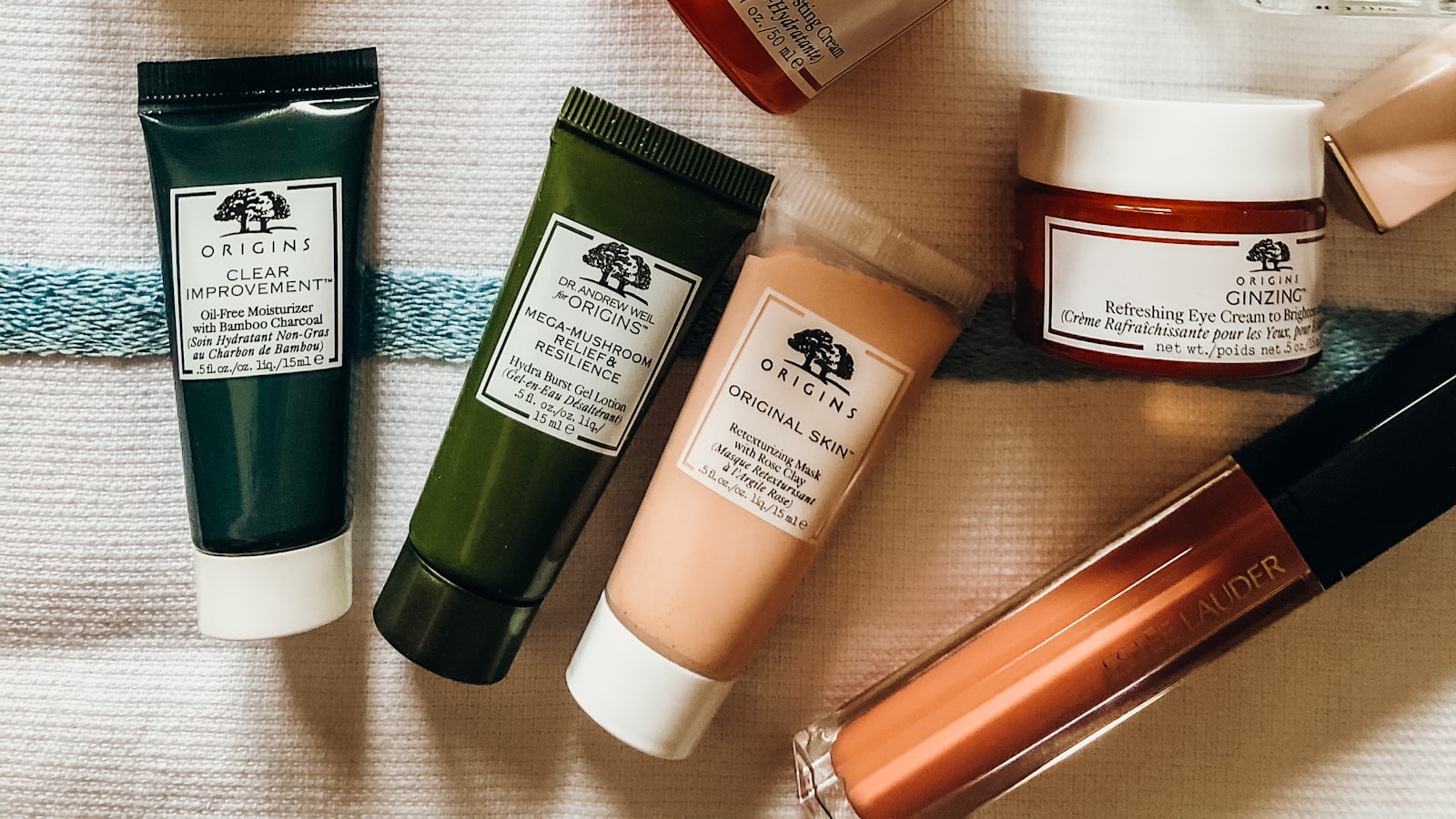
Dry skin can feel like a constant negotiation, tight after washing, flaky by mid-afternoon, never quite comfortable. The instinct is often to throw more products at it, but dryness usually responds best to fewer, kinder choices. A simple, consistent routine tends to do far more than a crowded shelf ever could.
Start by understanding the dryness#
Before building a routine, it helps to know what dry skin actually is. At its core, dryness means your skin barrier is struggling to hold onto water. That barrier is a thin protective layer of cells and natural oils, and when it is depleted, moisture escapes and irritation slips in. The result is that familiar tightness, rough patches, and sometimes redness or sensitivity.
Plenty of everyday things make this worse, often without us noticing. Hot showers, harsh foaming cleansers, cold weather, indoor heating, and over-exfoliating all chip away at the barrier. So part of caring for dry skin is simply doing less of what depletes it. Before you add anything, look at what you can gently take away.
It is also worth knowing the difference between dry and dehydrated skin. Dry skin tends to be a long-term type that lacks oil, while dehydration is a temporary lack of water that any skin type can experience. The routine below helps with both, but if your skin swings unpredictably, that distinction can explain why.
Dryness also tends to come and go with the seasons and your surroundings. Winter air, central heating, long flights, and air conditioning all pull moisture from the skin, so a routine that feels perfect in summer may need a little more richness in colder months. Rather than seeing this as a flaw in your products, think of it as your skin responding honestly to its environment, and adjust accordingly. A heavier cream in January and a lighter one in July is a very normal way to care for dry skin.
Cleanse gently, never strip#
Cleansing is where a lot of dryness begins. If your face feels squeaky and tight after washing, your cleanser is probably too harsh. That tight feeling is not cleanliness, it is your barrier being stripped of the oils it needs.
Reach instead for a gentle, cream or lotion cleanser that does not foam aggressively. Use lukewarm water rather than hot, however tempting a hot wash feels, because heat pulls moisture from the skin. Many people with dry skin do well washing properly only at night and simply rinsing with water in the morning, which spares the barrier an extra round of cleansing it does not need.
Be gentle physically, too. Skip rough washcloths and scrubbing, and pat your face dry with a soft towel rather than rubbing. These small mechanical habits add up over time, especially on skin that is already fragile.
Lock in real hydration#
This is the heart of a dry-skin routine, and the order matters. The goal is to deliver water to the skin and then trap it before it evaporates. The single most useful trick is to apply your hydrating products while your skin is still slightly damp from cleansing.
A practical sequence looks like this:
- After cleansing, leave your skin just damp rather than fully dry.
- Apply a hydrating serum with humectants such as hyaluronic acid or glycerin.
- Follow with a richer moisturizer containing emollients and ideally an occlusive ingredient to seal everything in.
Those three ingredient types each play a role. Humectants draw water into the skin, emollients smooth and soften it, and occlusives form a light seal that slows water loss. A good moisturizer often combines all three, which is why a well-chosen cream can quietly do the work of several products.
For dry skin, the moisturizer is not the optional finishing touch. It is the main event, and the rest of the routine exists to make it work better.
If your skin is very dry, you can apply a thin layer of a heavier balm over your moisturizer at night, a habit sometimes called slugging. It is not for everyone, so try it on a small area first and see how your skin feels in the morning.
Protect and stay consistent#
Sunscreen is easy to skip when your main concern is dryness, but it belongs in your morning routine every day. Sun exposure damages the very barrier you are working to rebuild, and over time it undoes a lot of careful effort. Look for a broad-spectrum formula that feels comfortable and hydrating rather than drying, since some sunscreens can feel tight on already-dry skin. It is worth trying a few to find one you genuinely like, because the best sunscreen is the one you will actually wear.
Beyond products, a few environmental tweaks help. A humidifier in dry rooms, especially in winter or in air-conditioned spaces, keeps moisture in the air and on your skin. Drinking enough water and avoiding very long, hot showers support the same goal from different angles.
It is worth being cautious with anything that promises to deep-clean or resurface dry skin. Strong scrubs, high concentrations of exfoliating acids, and harsh clay masks can all leave dry skin feeling worse, not better. A little gentle exfoliation now and then is fine for most people, but if your skin is already tight and flaky, the answer is usually more moisture and less intervention. When in doubt, do less and let the barrier recover before adding anything stronger.
Consistency is what ties it all together. Dry skin improves gradually, not overnight, so give a routine a few weeks of steady use before deciding whether it works. As always, patch test new products on your inner forearm first. And if your skin stays dry, cracked, painfully tight, or inflamed despite a gentle routine, that is a sign to see a board-certified dermatologist, since conditions like eczema need proper care rather than guesswork.
Caring for dry skin really comes down to a small set of kind habits: wash gently, hydrate on damp skin, seal with a proper moisturizer, and protect with sunscreen. Keep it simple, keep it consistent, and let your barrier do what it is built to do. Comfortable, calm skin is usually the reward of restraint, not of buying more.